
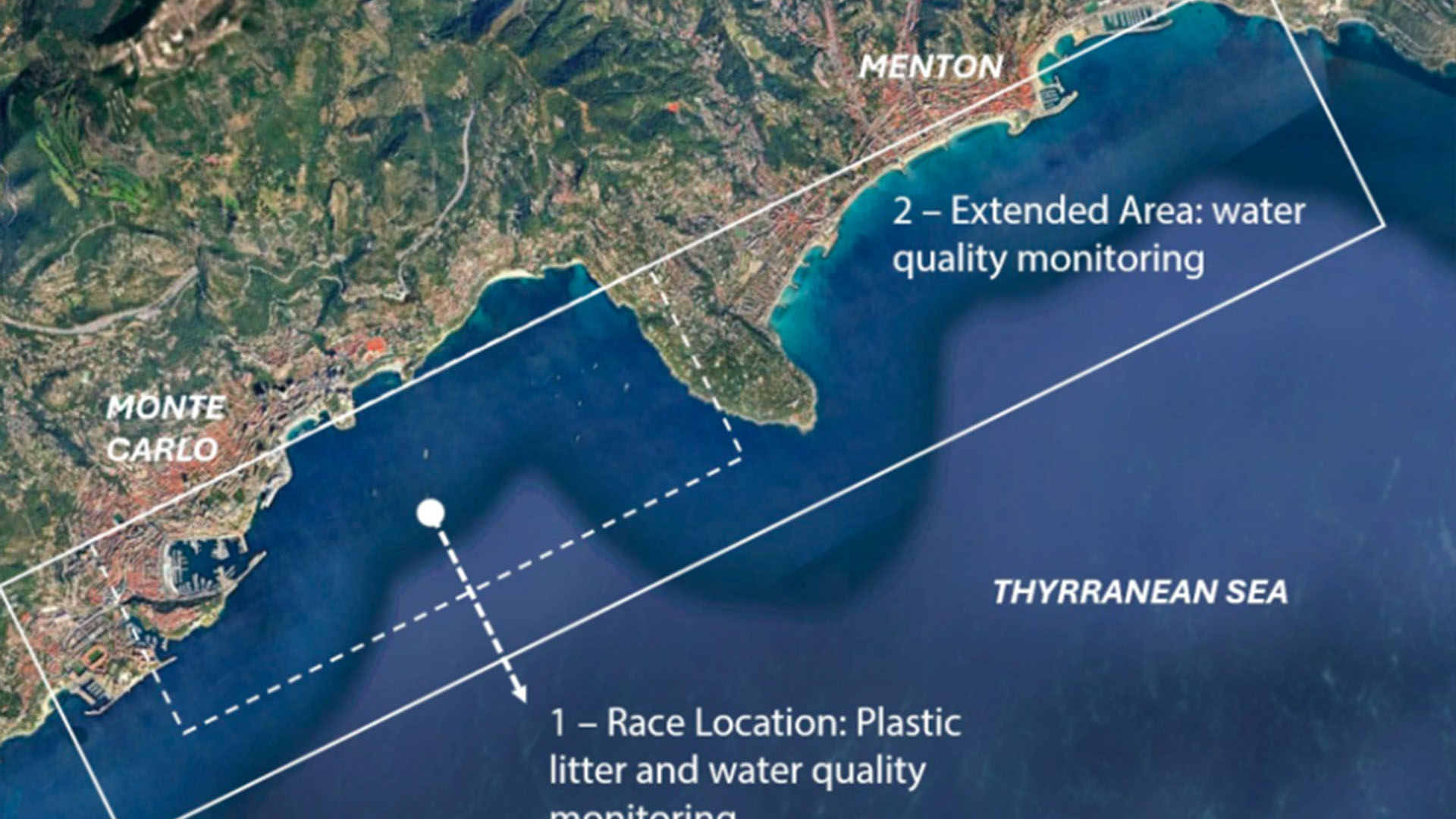
Westbrook Racing by Visit Angola, in collaboration with the European Space Agency (ESA) and EOMAP, has released the latest findings from its environmental monitoring programme conducted around the UIM E1 World Championship event in Monaco. The report represents the third deployment of the Team’s satellite-based environmental monitoring initiative following assessments at Lake Como and Dubrovnik.
Conducted between 15 June and 21 July 2026, the assessment combined Copernicus Sentinel-2 and Planet SuperDove satellite imagery to evaluate water quality and detect floating marine litter across the Monaco race venue and surrounding coastline. The monitoring identified no floating plastic litter within the race area during the observation period. Water quality indicators also remained consistently strong, with average turbidity around 0.5 NTU and water visibility averaging approximately 9 metres, reaching up to 11 metres in some locations.
The analysis found no measurable differences in water quality before and after the race weekend, indicating that race operations did not have a measurable impact on turbidity, water clarity or chlorophyll concentrations. The findings continue to build a consistent environmental dataset across the 2026 championship as part of Westbrook Racing by Visit Angola’s “Powering Performance with Purpose” sustainability strategy.
Ana Agostinho, Sustainability Lead at Westbrook Racing by Visit Angola, said: “With three race locations now assessed using the same scientific methodology, we are building a consistent environmental dataset across the championship. The Monaco findings reinforce the value of combining satellite intelligence with transparent reporting, helping us better understand the environments where the Team competes while supporting evidence-based sustainability initiatives.”
The environmental monitoring programme will continue throughout the remaining 2026 UIM E1 World Championship season, contributing to Westbrook Racing by Visit Angola’s annual sustainability reporting and its ongoing collaboration with ESA and EOMAP.
– END –