FOR IMMEDIATE RELEASE – Los Angeles, CA – December 15, 2025 —
After a full 2025 season in the E1 World Championship, Westbrook Racing has emerged as one of the leading teams in sustainability, delivering a comprehensive and forward-thinking programme grounded in a clear, long-term strategy. With initiatives launched well before the championship formalised its Blue Impact framework, the team’s approach has been recognised as one of the strongest and most structured in the sport. We caught up with Ana Agostinho, Westbrook Racing’s Sustainability Lead, to reflect on the team’s work this season, the ambitions behind the strategy, and the impact these efforts have both within the series and beyond.
QUESTIONS TO ANA AGOSTINHO:
Ana, to begin, could you tell us a bit about your background?
“My background is rooted in international sustainability and business strategy, working across sectors including aviation, maritime, tourism, carbon markets, philanthropy, and global environmental programmes. I’ve partnered with intergovernmental organizations such as the United Nations and IUCN, worked alongside international foundations, and contributed to global campaigns focused on ocean conservation and climate resilience. Sport has always been a natural bridge for my work. Sport is emotion… it moves people, it unites communities, and it inspires action in a way very few platforms can. I’ve seen firsthand how performance, purpose, and passion can mobilise audiences and generate real environmental impact. I’ve worked with sports teams, events, and races in the past, and those experiences taught me how sustainability can thrive in fast-paced, high-pressure environments. That is why stepping into E1 felt like a perfect match. High-performance sport demands precision, innovation, and teamwork, the same qualities that underpin strong sustainability strategies. At Westbrook Racing, I’m able to bring everything together: technical expertise, global partnerships, and the power of sport to drive meaningful change for our ocean.”
You joined Westbrook Racing ahead of the 2025 season. How did you approach designing and rolling out a full sustainability strategy for the team?
“When I joined Westbrook Racing, I started by listening and engaging with the team. I wanted to understand how things worked, where the greatest impacts and opportunities lay, and how sustainability could be more than a side‑project: how it could become a way of working. From those conversations emerged our commitment to “Powering Performance with Purpose”, our sustainability policy turned into a sustainability action plan grounded in six core pillars: Regenerative Impact; Environmental Responsibility & Circular Economy; Empowerment; Community Engagement; Innovation for Performance; and Transparency & Accountability. But defining the strategy was only the beginning. The real work was embedding it: ensuring that every decision, from race‑week planning to fan engagement and community outreach, would reflect our values. Sustainability would not be an add‑on; it would be built into how we operate, compete, and connect. And having an amazing and committed team just made my job a lot easier.”
What is the purpose behind Westbrook Racing having such a strong and structured sustainability strategy?
“Because for Westbrook Racing, sustainability is more than a feature, it is part of our identity. We don’t just aim to win races: we aim to make a lasting positive impact. That’s why a structured strategy matters. It’s not a one-off sponsorship or a collaboration, it’s a season-long effort. By committing to a transparent, measurable, and consistent approach, we show that performance and responsibility can and must go hand in hand. Our partners, fans, stakeholders, and the communities we touch expect seriousness, integrity, and long‑term commitment. A robust sustainability framework ensures we deliver on those expectations, on and off the water. We race to leave every place better than we found it. Now, in season 3, and beyond.”
Can you talk us through the key goals and objectives that guide the team’s sustainability work?
“Our sustainability work is guided by a simple yet profound principle: we must always leave each place better than we found it. This is the essence of regenerative tourism – it goes beyond minimizing harm; it is about restoring ecosystems, supporting communities, and creating a lasting positive legacy wherever we race. For a team that travels across the world’s waterways, this is not a philosophical ideal, it’s a responsibility. Our team races on Nature. The water is our arena, the wind shapes our performance, and healthy marine ecosystems are essential for us to compete. Lagos showed us this vividly: we were leading and on track to win, until a ghost net wrapped around our propeller. If we don’t protect Nature, even the best performance won’t be enough. Protecting nature isn’t separate from winning, it IS winning. The goals that guide us are framed around the six pillars of Westbrook Racing’s sustainability strategy: Regenerative Impact, Environmental Responsibility & Circular Economy, Empowerment, Community Engagement, Innovation for Performance, and Transparency & Accountability. In the short term, we aim to leave tangible positive impacts in the communities and ecosystems we visit, from restoring waterways to empowering young people. Over the longer term, our ambition is to embed a culture of regeneration across the sport, to inspire partners, fans, and other teams, and to contribute to a marine environment that can sustain high-performance racing for generations to come.”
What are the main components of Westbrook Racing’s sustainability strategy?
“Westbrook Racing’s sustainability strategy is a declaration of identity and a challenge to the world of high-performance sport. It is about turning racing into a force for restoration, inclusion, and accountability. Regenerative Impact is at the core. Every race is an opportunity to restore waterways, support marine ecosystems, and leave communities stronger than we found them. This is regenerative tourism in action: the sport we love becomes a driver of tangible environmental and social good. Environmental Responsibility & Circular Economy reflects the reality that we cannot compete at the highest level if we compromise the very systems that sustain our sport. Acting with integrity, reducing emissions, and minimizing waste are not optional, they are fundamental to performance. Empowerment harnesses the visibility of the sport to open doors for young people and underrepresented communities. By connecting them to STEM, sustainability, and high-performance sport, we inspire the next generation of leaders and innovators. Community Engagement recognizes that every city, port, and waterway has its own culture, history, and life. Engaging with local stakeholders, NGOs, volunteers, and fans ensures that our presence leaves a meaningful, positive imprint beyond the racetrack. Innovation for Performance shows that high-speed, cutting-edge sport can coexist with environmental stewardship. Through electric-boat technology and sustainable racing, we prove that thrilling performance does not have to come at the cost of the planet, it can accelerate solutions for a cleaner, more sustainable future. Transparency & Accountability underpins everything we do. We measure and share our impact openly, holding ourselves responsible and setting a standard for partners, fans, and other teams. For E1 as a sport, this is crucial: it demonstrates that innovation is not just about speed and technology, but also about pioneering new ways to protect nature and empower communities. Together, these pillars resonate with every stakeholder we encounter, from partners seeking meaningful collaboration, to communities looking for lasting benefits, to the oceans that make our sport possible. They challenge the notion that success is only about podiums, showing that true achievement in E1 comes also from performance and purpose.”
Once the strategy was defined, how did you go about implementing it throughout the season?
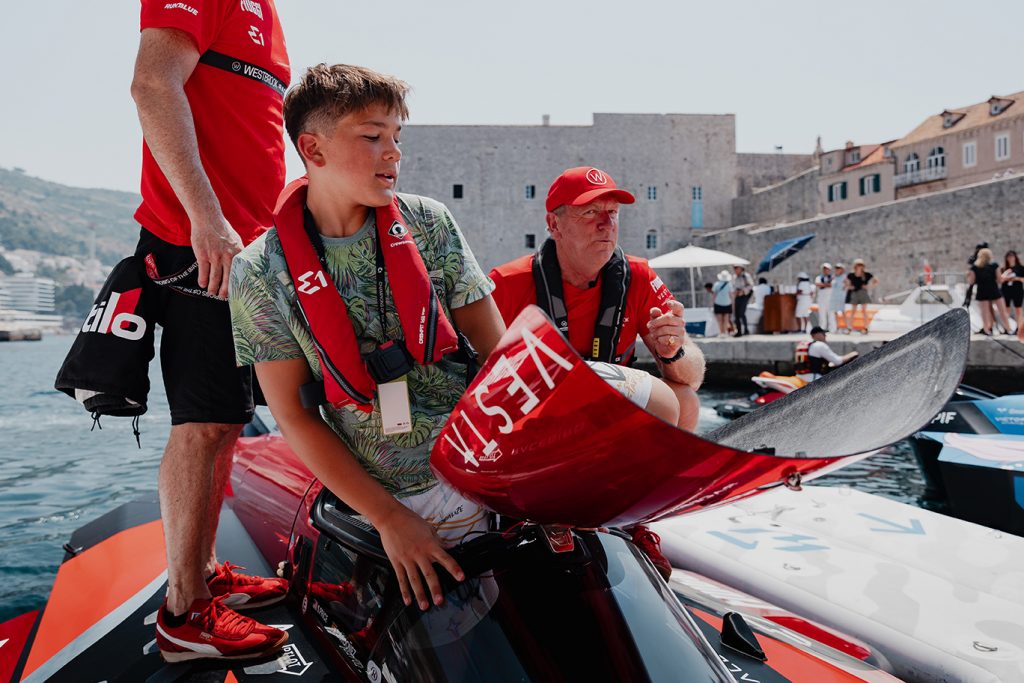
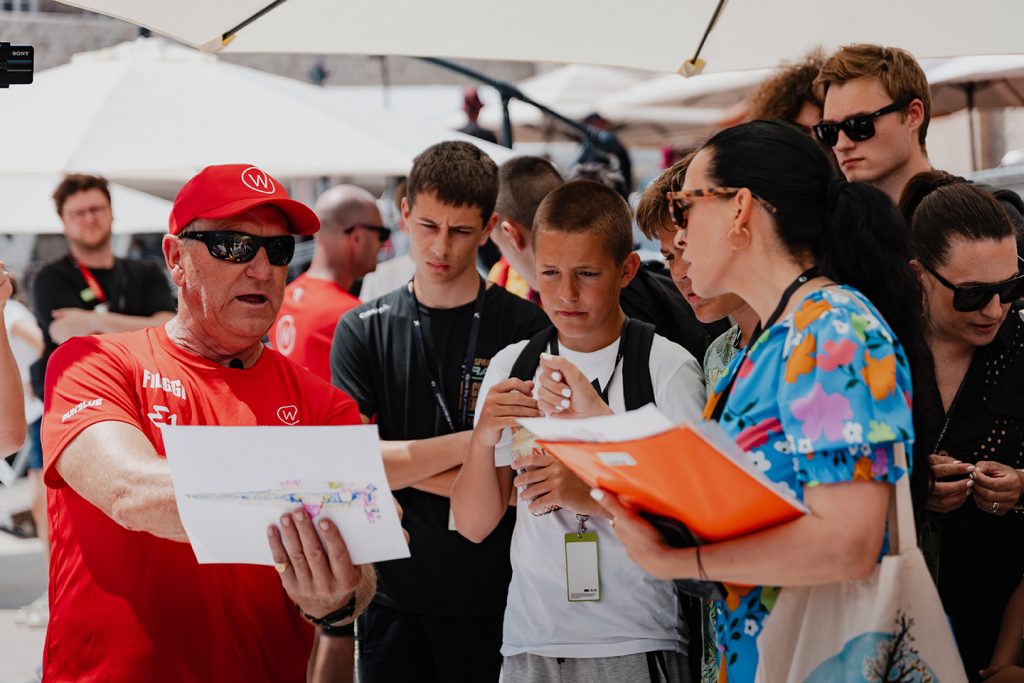
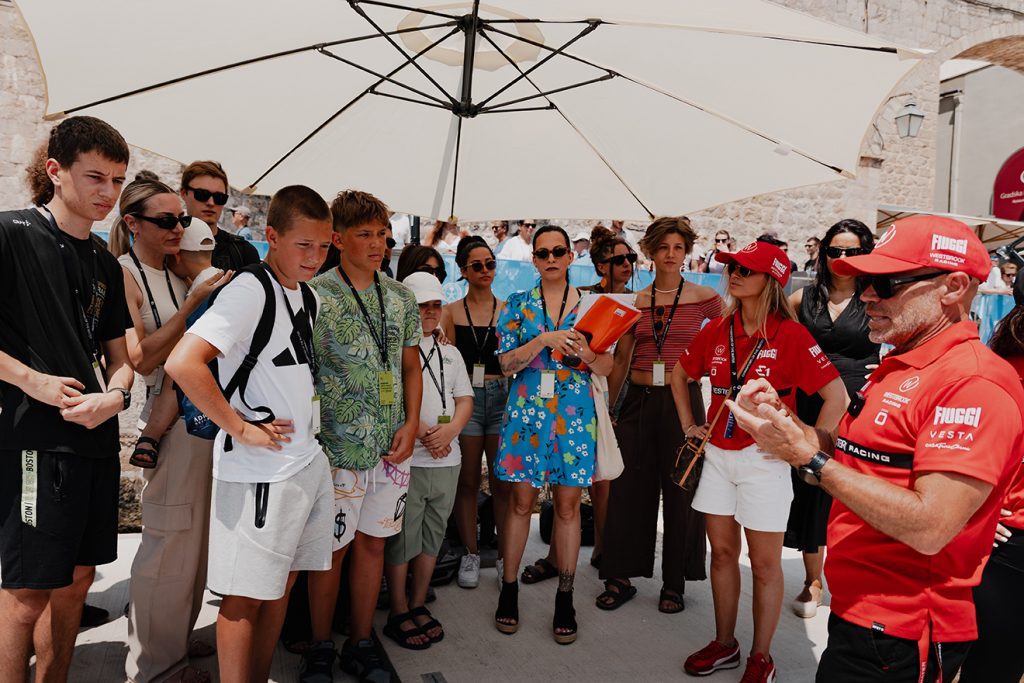
“From the very first race of the 2025 season, once our sustainability strategy was formalized, we committed to turning intention into rigorous, trackable action. Every logistics plan, every race weekend, every community activation was guided by our six pillars. Sustainability was never an afterthought, it was embedded into how we operate, travel, race, and engage with the world. We implemented robust reporting and measurement systems, carefully tracking emissions, resource use, and waste across operations. Every intervention was monitored, measured, and documented, forming the backbone of our 2025 Impact Report, which will publicly share our environmental and social performance, progress, challenges, and ambitions. This transparency ensures accountability not just to ourselves, but to partners, communities, and the marine ecosystems that make our sport possible. Westbrook Racing was proud to be the first team to sign the Sports for Nature Framework, embedding its nature-positive principles into everything we do. This global initiative sets standards for sport to actively contribute to the protection and restoration of biodiversity. By being early adopters, we made a commitment not only to minimize harm but to leave a measurable, positive impact on the environments in which we operate. Under the Regenerative Impact pillar, we launched initiatives designed to leave a positive legacy in every location. Through Run Blue, we established the “E1 Run Blue Run Club,” raising awareness about water conservation and ecosystem restoration. Partnering with the G20 CORDAP, we amplified efforts around coral reef protection and marine biodiversity, linking sport, science, and advocacy to highlight urgent ocean issues at every venue. Community engagement was central. We opened our doors to NGOs, and local stakeholders, hosting events so that local voices shaped our presence. At every race, we ran STEM activations in partnership with universities, inspiring young people to explore science, technology, engineering, and sustainability, turning racing into a platform for learning, innovation, and empowerment. To engage fans and communities visually, we developed interactive video maps highlighting the biodiversity of each race location, showing why these ecosystems matter and how our actions contribute to protecting them. We also participated in environmental summits and events, collaborating with NGOs, policymakers, and experts to connect our on-track work with broader conservation and regenerative tourism initiatives. Through these processes – careful tracking, transparent reporting via the Impact Report, embedding Sports for Nature principles, community engagement, STEM activations, and multimedia storytelling – we ensured that sustainability was a living, evolving part of the team’s identity. Across every race weekend, our guiding question was always: Are we just racing, or are we racing to leave the world better than we found it?”
Looking back at the 2025 season, what have been the key highlights for you?
“Some of the most meaningful moments of the season weren’t about results, they were about people, communities, and the environments we raced in. I’m incredibly proud of our team; they were the true highlight of the season. We could never have achieved what we did without such professional, dedicated, and passionate individuals, all committed to the same purpose. Their creativity, discipline, and heart turned ambition into action, day after day. Being on site, race by race, engaging directly with students, volunteers, and local communities, was profoundly rewarding. We weren’t just teaching… we were learning. Every interaction offered an opportunity to share knowledge, inspire curiosity about STEM and sustainability, and understand the unique challenges and perspectives of each community. Those moments are what made the season unforgettable. Watching people light up with curiosity and engagement reminded me why our work matters. Seeing students get hands-on experience, bring their passion, and seeing communities respond to the ideas we introduced – that was the real achievement. It reinforced that sport and education, curiosity and responsibility, can come together in ways that are both inspiring and transformative. Above all, I’m proud of the culture we built: a team fully aligned, working with purpose, and committed to leaving every place, and every person we touch, better than we found it. Those are the moments that will stay with me long after the season ends.”
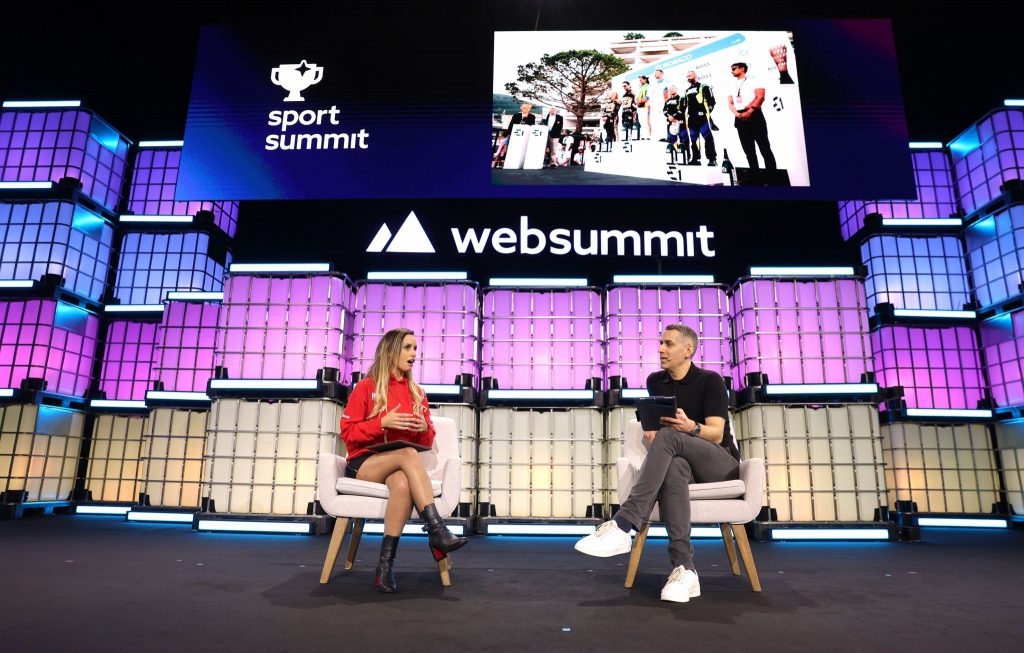
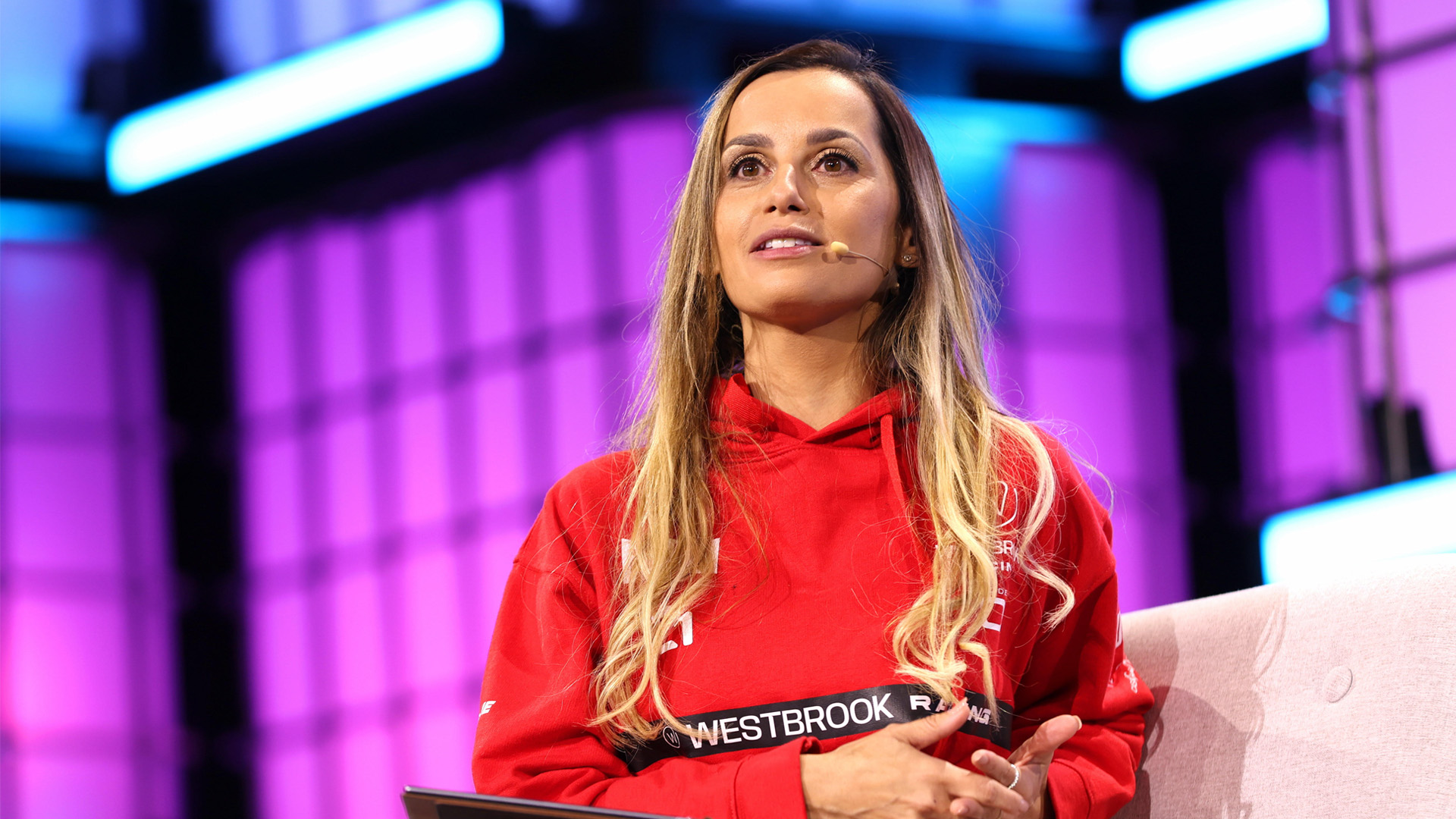
Beyond the racetrack, you represented Westbrook Racing at events such as Web Summit in Portugal.
“When I go on stage representing Westbrook Racing, whether at conferences, panels, or international events, I bring more than a racing team. I bring a purpose-driven message: that sport can be a catalyst for regeneration, innovation, and community empowerment. These appearances allow us to amplify our voice, engage new partners, and inspire fans and audiences around the world. They position the team as thought leaders, showing that high performance sport can do more than entertain, it can lead, influence, and spark meaningful change. Being present in these spaces helps shape how people think about the intersection of sport, sustainability, and technology. It strengthens our visibility and credibility, and it creates opportunities to share insights, exchange ideas, and contribute to global conversations on regeneration and responsible innovation. In essence, these moments extend our impact beyond the racetrack. They allow Westbrook Racing to demonstrate that pursuing excellence on the water goes hand-in-hand with leaving a positive legacy on the world, and that leadership in sport comes with a responsibility to inspire, educate, and engage on a much broader stage.”
What additional activities or collaborations were you involved with during the season?
“Beyond the race calendar, our focus was always on making a difference. We explored new ideas, new collaborations, and sought every opportunity to leave a positive impact, not just on the sport, but on the people and communities we engage with. Every activation was a chance to share Westbrook Racing’s philosophy of “Powering Performance with Purpose” and to demonstrate how our team can inspire action for the environment. At every race city, we connected with local stakeholders, universities, volunteers, and communities. We opened doors for students and young people, offering them a chance to learn, engage, and see how sport, technology, and sustainability intersect. Our hope was to change mindsets, spark curiosity, and inspire a few people to take action – showing that even small moments of engagement can ripple outward. Through these efforts, our impact went far beyond the championship. Every interaction, conversation, and initiative was guided by the simple goal of making a difference and leaving a lasting, positive impression.”
Finally, what is your favourite part of this role, and how do you see the sustainability programme evolving over the coming seasons?
“What excites me most is building something that matters, seeing racing become a force for regeneration, responsibility, and inspiration. This is where thrill meets purpose: where fans become advocates, communities feel supported, and the ecosystems that make our sport possible are protected and celebrated. That is the real victory for me, at least. Looking ahead, I see our sustainability programme growing bolder, deeper, and more influential. We will expand regenerative projects, deepen community engagement, enhance data-driven reporting, and bring partners and sponsors into the heart of our mission, making them active co-creators in shaping a sport that leaves a legacy. I envision Westbrook Racing becoming a global benchmark, not just for racing, but for what sport can achieve: demonstrating that high performance, environmental stewardship, and business success can accelerate together. We are challenging the status quo. We are asking E1 – and the broader world of sport – to see that sustainability is not optional, it is the future of competition, innovation, and profit. We aren’t just chasing laps; we are powering performance with purpose, proving that excellence on the track and responsibility off it are inseparable, and that winning can mean winning for the planet, for communities, and for generations to come.”
— ENDS —